The Move is Yours
Sırma Yücekaya
Rukiye Dagasan
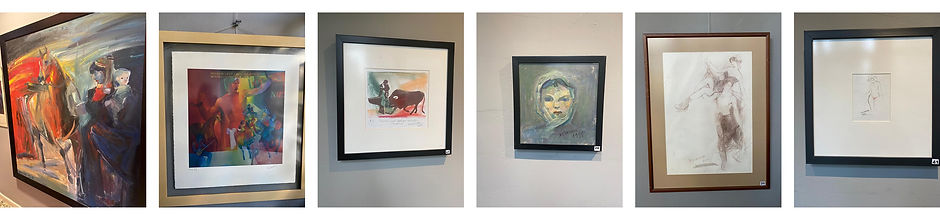
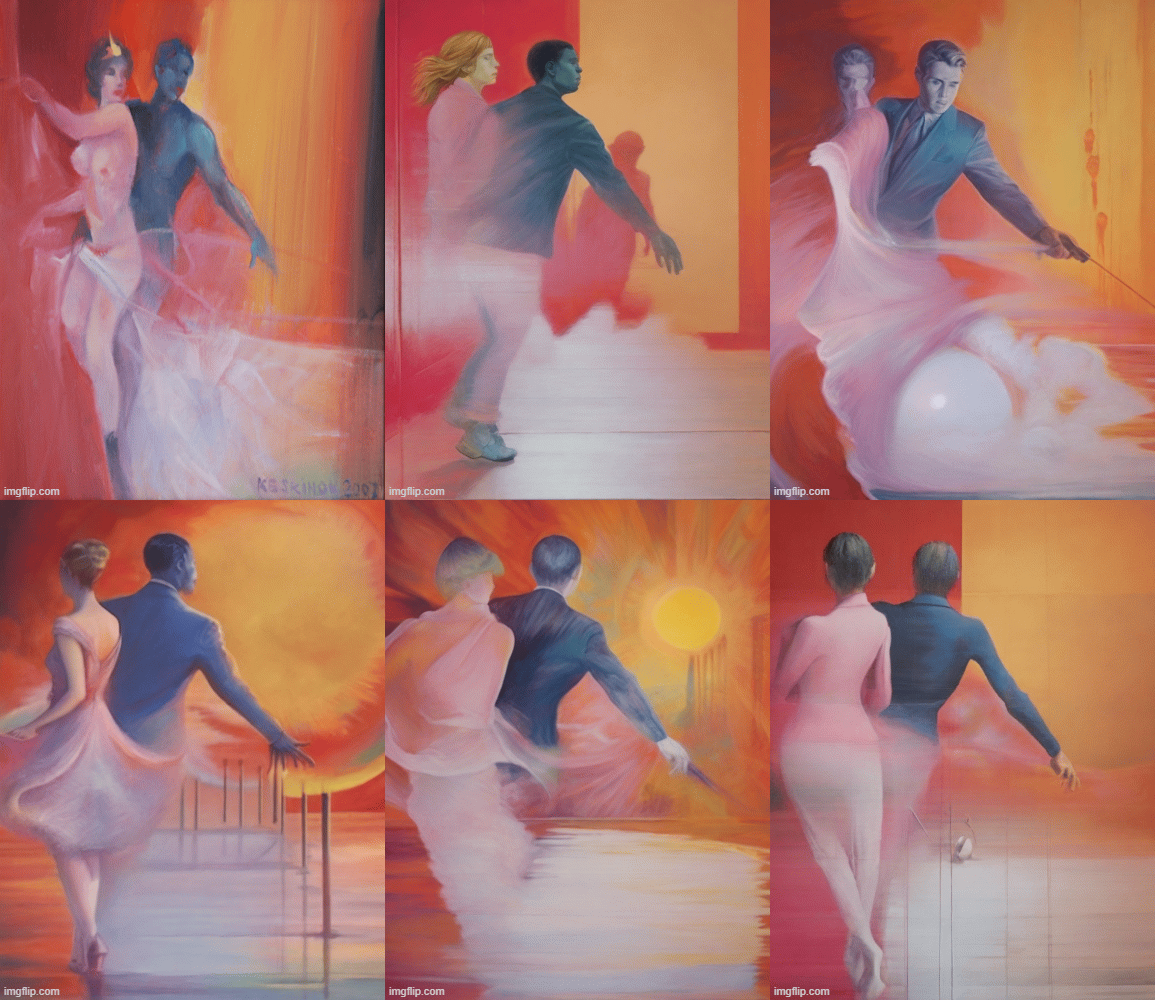
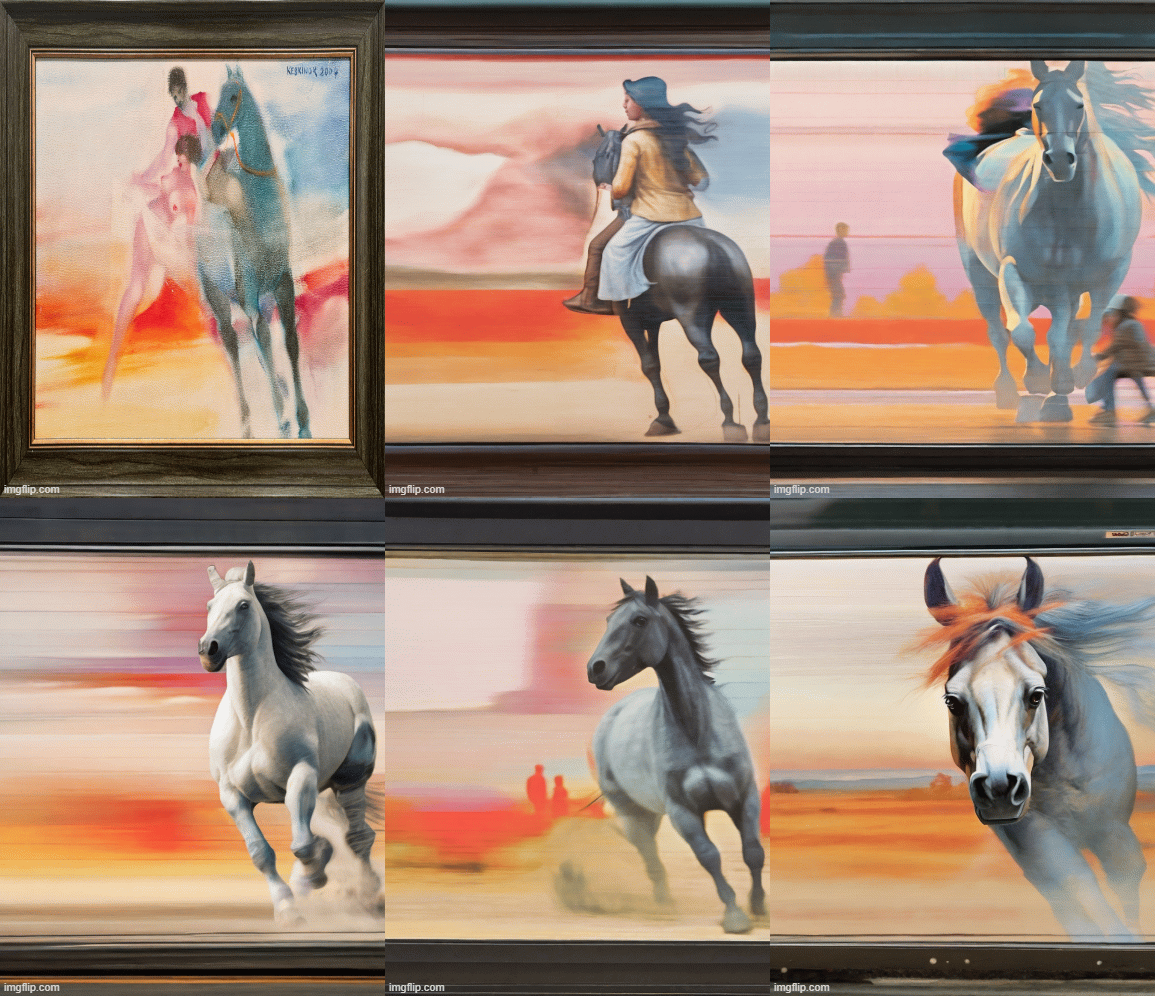
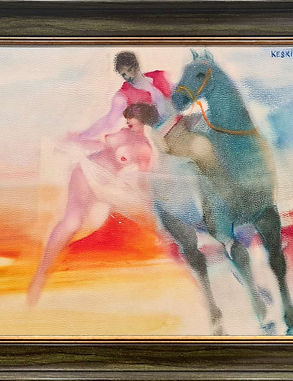
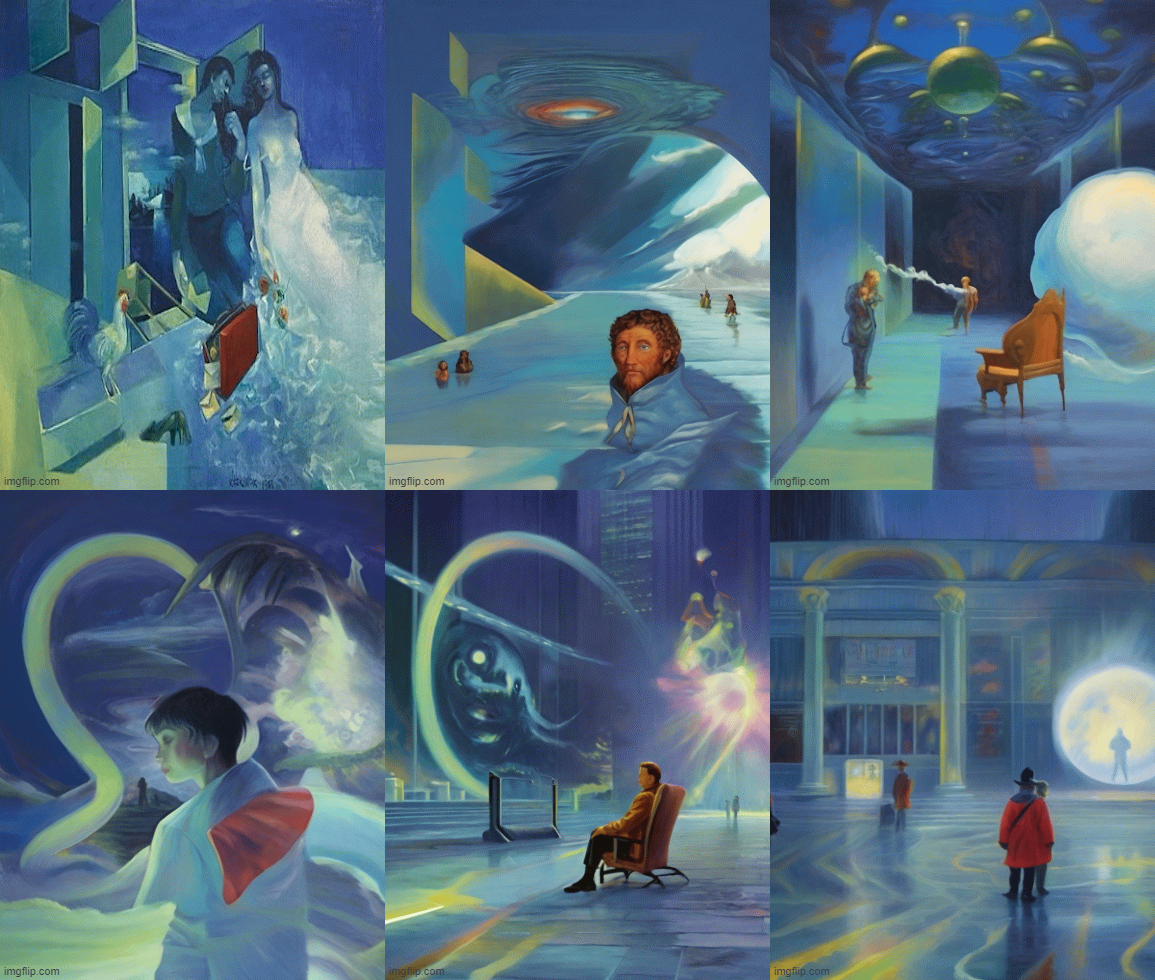
A constant sense of movement is evident in all of Kayıhan Keskinok's paintings. In his mature period, the artist's search for complementing the movement in the subjects with movement in the drawings and colors is noticeable. This movement is also completed by the back-and-forth between the real and the imaginary worlds. Keskinok's paintings attempt to capture a synthesis of the elements of movement in nature and society with the inherent possibilities of movement within the painting itself. Whether single-figure, double, or triple-figure, the artist created all his paintings, large or small, using his visual memory, without resorting to any living being or model.
"To be able to work from visual memory, you first need to experience the action."
The Keskinok Art Foundation [1] organizes different exhibitions monthly in its exhibition space. On days when there are no exhibitions, Keskinok's own works are displayed. As previously mentioned, it is emphasized that the most important detail in Keskinok's own works is movement. By opening the space to the individual and taking into account the phenomenon of movement in the works, we can experience the space with the concept of 'movement'.
De-movement
If we consider the concept of movement here, we can say that the movement in the artworks adds dynamism to the otherwise stable exhibition space.
Although artworks enrich the space in which they are exhibited in terms of movement, they also create their own worlds (spaces) by detaching themselves from the space at a more advanced level. Each user's individual journey also creates movement within the space of their own experience. In this case, it is possible for movement to create a unique experience for the visitor, and from this, the act of appropriating movement emerges. We can interpret these unique situations through the concept of 'de-movement'.
The Movement of Pause
Images are generally snapshots of a particular moment in an event or situation. Photographs or paintings capture a moment in time by freezing a snapshot of an action or process. Therefore, an image represents a specific point in an event by reflecting the atmosphere, emotions, and details of that moment, offering viewers the opportunity to experience the atmosphere within a particular time frame.
[1] The foundation is located in the same building as several exhibition spaces, on the 2nd floor of Cinnah 19. The building itself has features that offer unique experiences. (Its facade, in particular, offers different experiences.) Even just to be able to go to the art foundation, one has to go through a number of experiences, and the space itself continues to provide experiences. When we went to the space, there was no exhibition or any artwork on the walls. The simplicity of the space allowed us to experience its own characteristics better. We had mentioned that the artworks in the exhibition would add movement to the space, but the space itself was an example of movement. (We think that Keskinok's interest in movement is reflected in the space.)